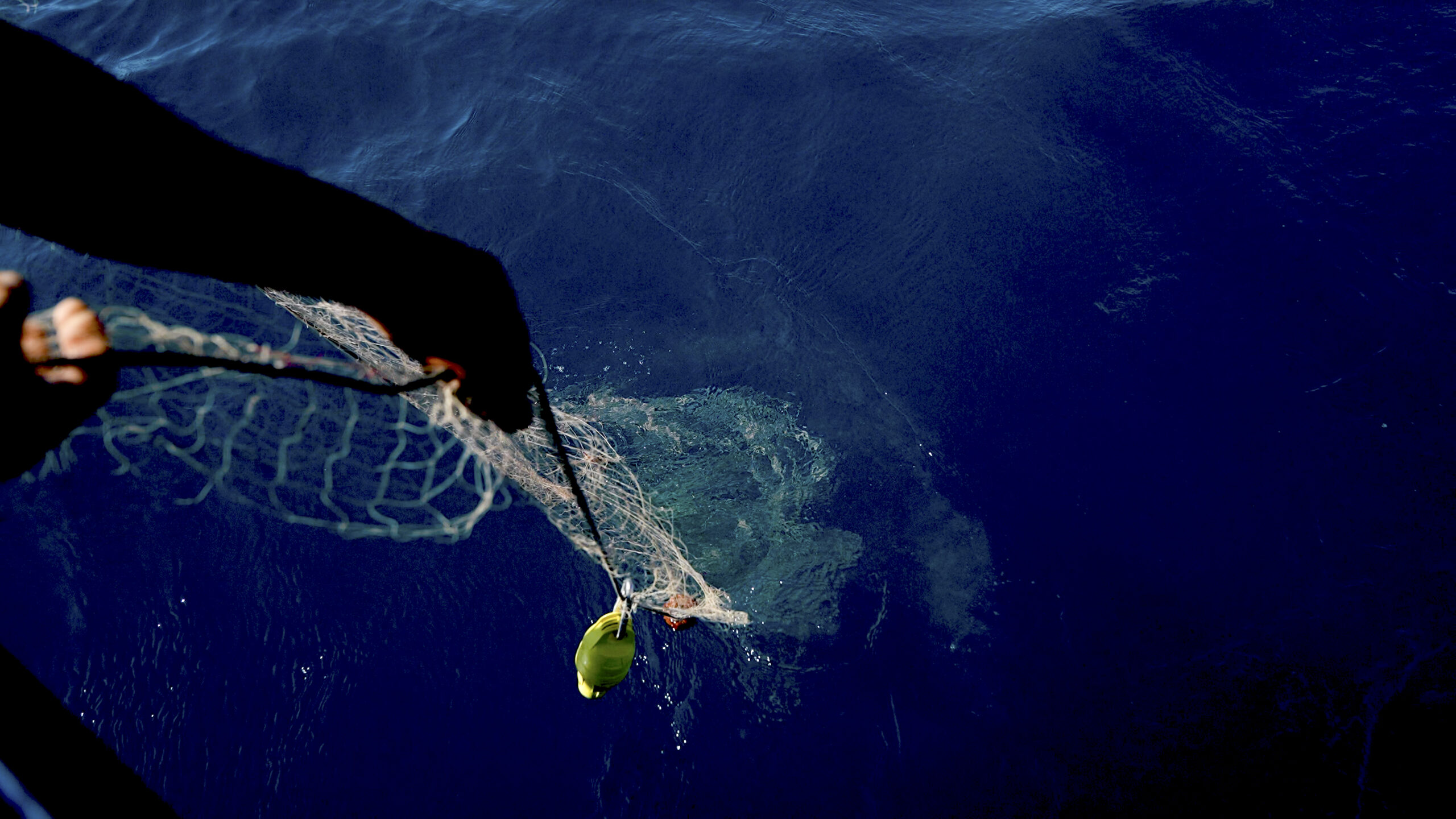
After three years of collaboration, innovation and close partnership with the fisheries sector, the Horizon Europe NETTAG+ project successfully concluded in April 2026. Although the project has officially come to an end, its impact will continue well beyond its lifetime. Throughout the project, NETTAG+ has empowered fishers as key partners in tackling marine litter while advancing innovative technologies to locate, recover and reduce lost fishing gear. By combining stakeholder engagement with practical, field-tested solutions, the project has laid the foundations for cleaner seas, healthier marine ecosystems and more resilient, sustainable fisheries across Europe.
About NETTAG+
Working in close collaboration with fishers, scientists and NGOs, the project empowered the fisheries sector to adopt more responsible practices for preventing marine litter and reducing the environmental impacts associated with fishing gear. It contributed to preventing fisheries-related marine litter, reducing the loss of fishing gear, and supporting the detection, tracking and recovery of abandoned, lost or otherwise discarded fishing gear (ALDFG), thereby contributing to healthier marine ecosystems and more sustainable fisheries. NETTAG+ solutions were tested, validated and demonstrated in real conditions in the following Atlantic and Mediterranean countries:
• Portugal
• Spain
• Italy
• Croatia
• Malta
• United Kingdom
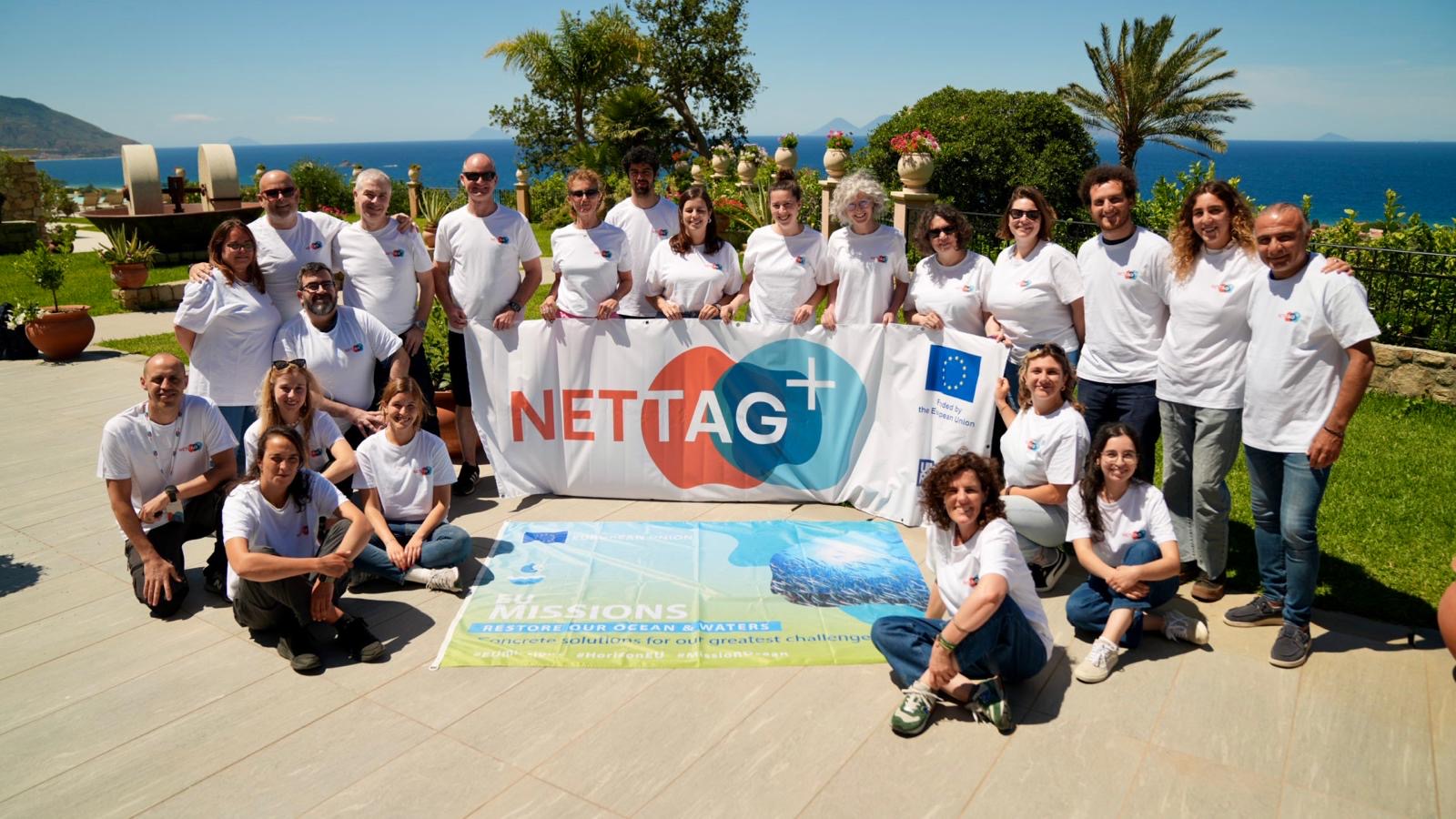 General Assembly Meeting in Patti, Sicily (Italy) May 2025. Photo: NETTAG+
Working in close collaboration with fishers, researchers, technology developers and local stakeholders, the demonstrations showcased the effectiveness of solutions like MyGearTag, an acoustic gear tracking system that enabled fishers to locate lost fishing gear. The demonstrations also tested IRIS, an autonomous underwater robotic system capable of detecting, tracking and supporting the recovery of abandoned, lost or otherwise discarded fishing gear (ALDFG). Together, these technologies demonstrated an integrated approach to preventing ghost gear, reducing marine litter and supporting more sustainable fishing practices across a range of European fisheries.
In addition to successfully demonstrating its technological solutions, NETTAG+ produced a range of key results to support their long-term uptake and replication. These included technical guidelines, best practice recommendations, scientific publications, policy briefs, communication materials and training resources that promoted the adoption of innovative technologies to prevent and recover ghost gear.